
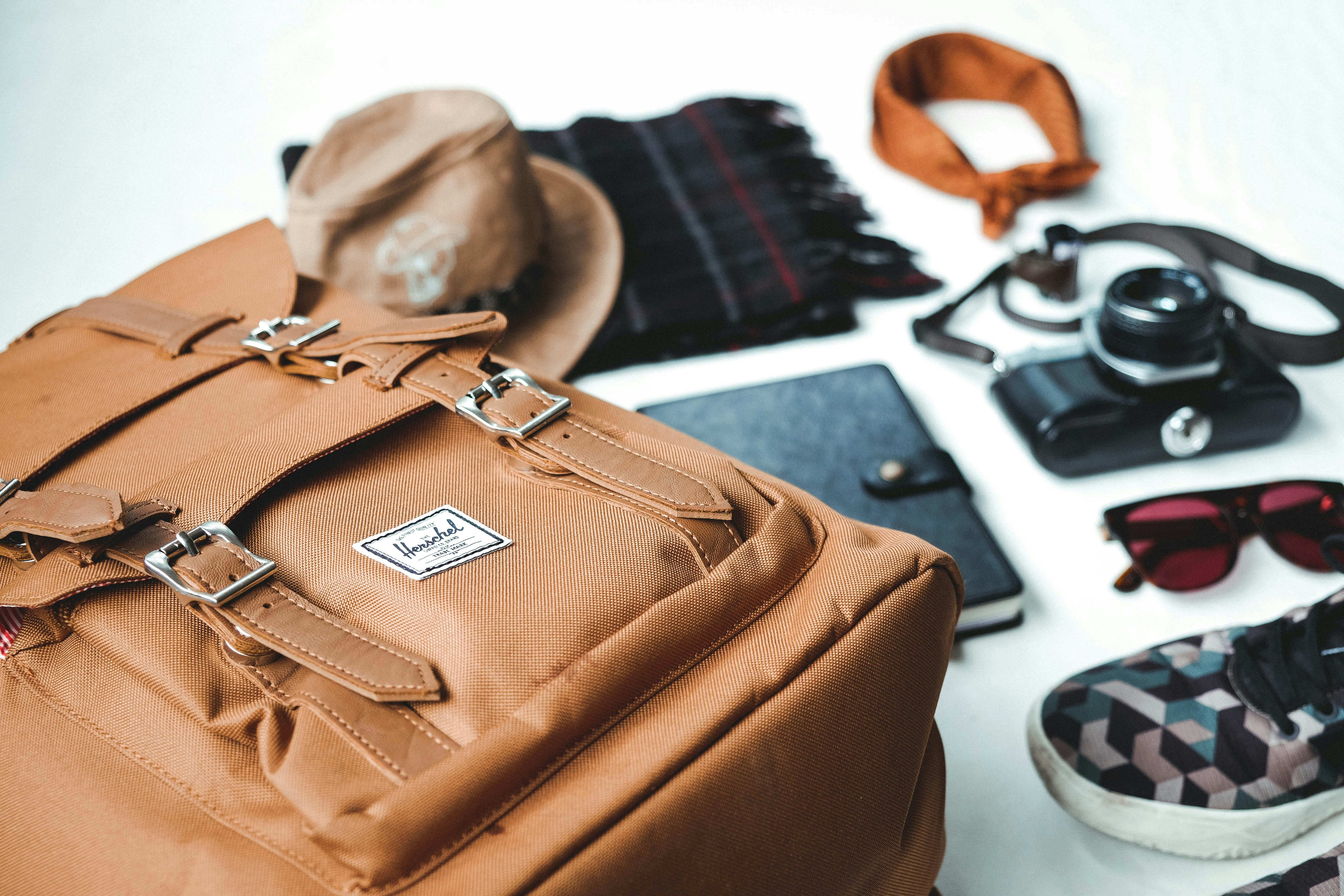
Introduction to Traveling in Iceland
Traveling in Iceland offers a unique and breathtaking experience, characterized by its diverse landscapes and striking natural phenomena. From the majestic glaciers to the dramatic volcanic mountains, the country’s rugged terrain presents a stunning backdrop for any adventure. However, this remarkable beauty comes with the challenge of unpredictable weather, which can change rapidly within a single day. Therefore, being well-prepared with the right gear and clothing is essential for ensuring comfort and safety while exploring this enchanting destination.
The geographical variety of Iceland includes geothermal springs, black sand beaches, and sprawling icefields, each requiring distinct considerations regarding appropriate attire and equipment. For instance, hiking along the trails of Þingvellir National Park demands sturdy hiking boots and moisture-wicking clothing that can adapt to varying temperatures and conditions. Furthermore, a windproof and waterproof outer layer is indispensable to safeguard against sudden rain or chilling winds, which are common in the region.
Proper preparation enhances not only safety but also the overall travel experience in Iceland. Investing in high-quality gear such as thermal layers, insulated jackets, and waterproof outerwear can make a significant difference in comfort and enjoyment. Additionally, accessories like gloves, hats, and good-quality backpacks should not be overlooked, as they contribute to a more enjoyable exploration of Iceland’s stunning scenery.
In essence, the key to a successful adventure in Iceland lies in understanding its unique environment and being equipped with the appropriate clothing and gear. As travelers embark on their journey, they will discover that the right preparation makes it possible to fully appreciate the wonders of this extraordinary land.
Understanding Iceland’s Climate and Weather Patterns
Iceland’s climate is characterized by its extreme variability, influenced significantly by its geographic location in the North Atlantic. It falls under the subarctic category, yet it exhibits a unique temperate maritime climate due to the warm waters of the Gulf Stream. This results in surprisingly mild winters and cool summers, though conditions can change rapidly.
The seasons in Iceland are distinct yet fleeting, making it essential for travelers to understand the typical weather patterns before embarking on their adventure. Winters, typically between November and March, can be extremely cold, with temperatures often plunging to -5°C (23°F) or lower in the highlands. During this period, travelers may experience heavy snowfall and icy conditions, especially in the more remote areas. In contrast, summers from June to August offer milder conditions; temperatures can rise to around 15°C (59°F) in the capital, Reykjavik. However, even during summer, cool winds and rain are common.
It is crucial for visitors to be well-prepared for the unpredictable Icelandic weather. While the sun may shine brightly one moment, heavy rain or snow can follow shortly after. As such, versatile clothing options are paramount. Layers are recommended; thermal base layers, insulating mid-layers, and waterproof outer layers can help ensure comfort irrespective of sudden temperature drops or changes in precipitation. Accessories such as gloves, hats, and waterproof footwear are also essential, enabling travelers to traverse the diverse landscapes safely.
In essence, understanding Iceland’s climate is vital for anyone planning an outdoor adventure. By equipping oneself with appropriate clothing and gear, travelers can fully enjoy the stunning natural beauty this destination has to offer, regardless of the weather conditions they may encounter.
Essential Clothing for Icelandic Adventures
When preparing for an adventure in Iceland, selecting the right clothing is crucial for comfort and protection against the unpredictable weather. To ensure an enjoyable experience, here are some essential clothing items to consider.
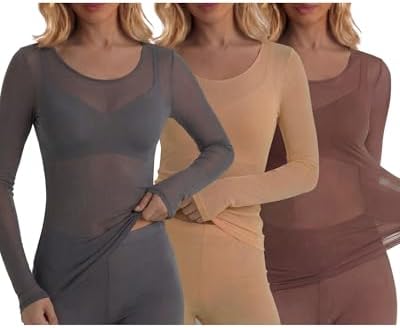
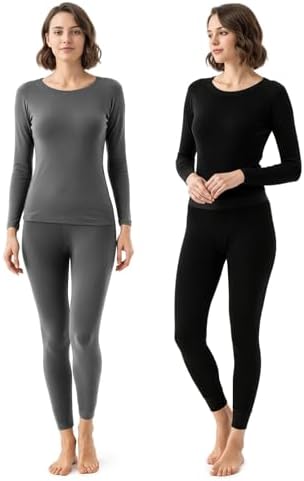
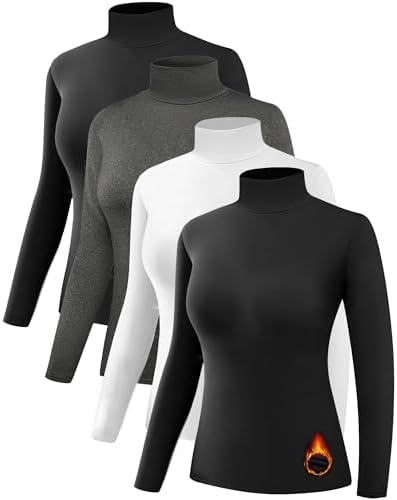
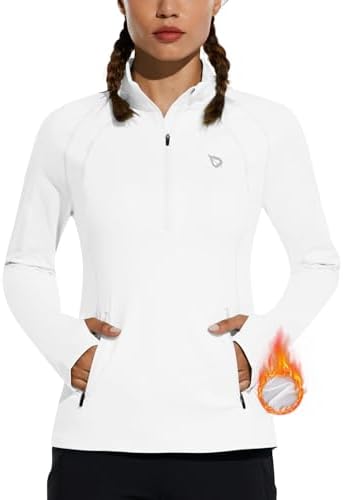
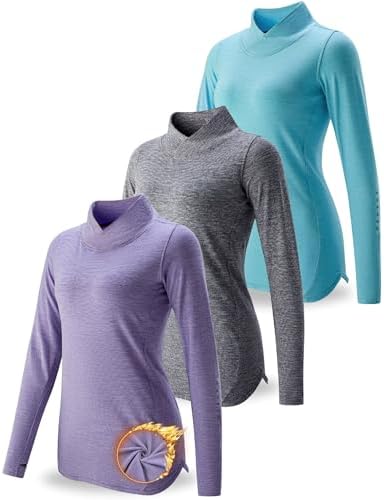
Thermal Layers: Base layers are a fundamental component for staying warm. Opt for thermal tops and bottoms made of materials such as merino wool or synthetic fabrics, which provide insulation while wicking moisture away from the skin. Merino wool is particularly effective, as it regulates body temperature well and resists odor.
Waterproof Jackets: The weather in Iceland can change rapidly, making a high-quality waterproof jacket indispensable. Look for jackets with breathable fabrics, such as Gore-Tex, which not only keep rain and wind at bay but also allow sweat to escape. An adjustable hood and cuffs can enhance protection without sacrificing mobility.

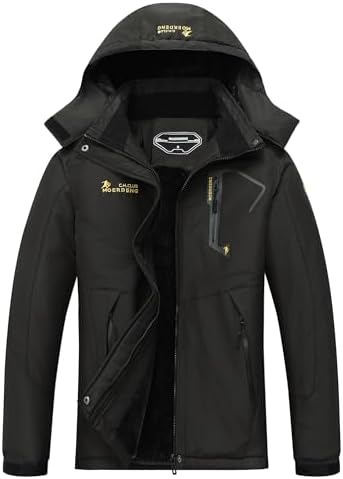
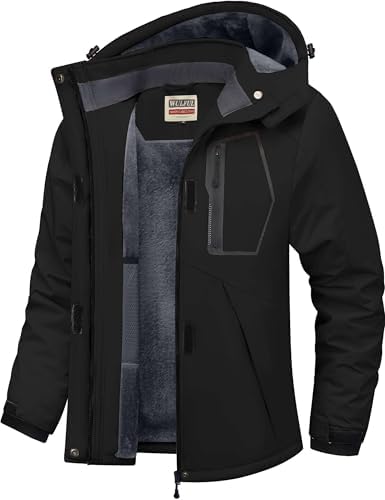


Insulated Clothing: Mid-layers, such as fleece or down jackets, are essential for trapping heat. Depending on the season, a lightweight insulated jacket can be worn underneath your waterproof jacket for added warmth. Ensure that mid-layers are not overly bulky to maintain freedom of movement, particularly when engaging in activities like hiking.

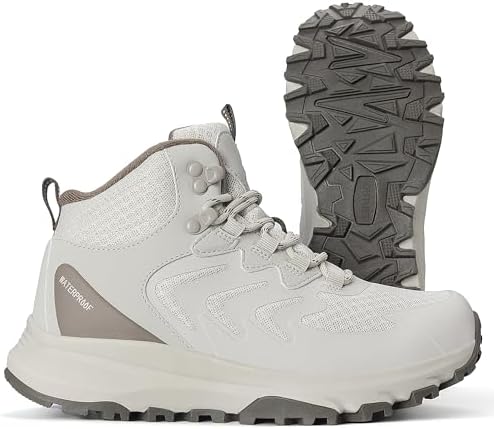
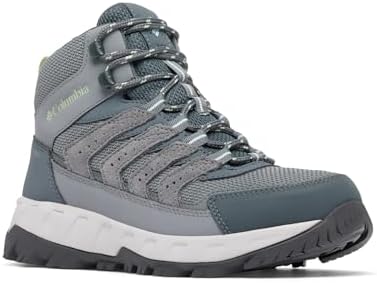
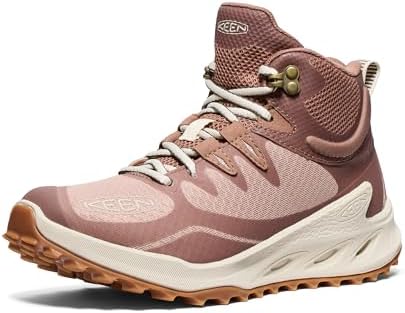
Sturdy Footwear: A good pair of waterproof hiking boots with excellent traction is critical when exploring Iceland’s varied terrain. Look for boots that provide ankle support and a comfortable fit to prevent blisters on long treks. Pair them with moisture-wicking socks to enhance comfort.



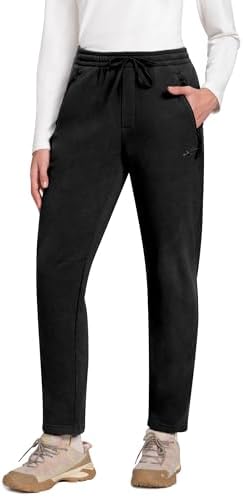
When dressing for Iceland, adopting a layering technique allows for flexibility in adapting to changing conditions. Start with thermal layers as a base, followed by insulation, and finish with a waterproof outer layer. This strategy ensures that you remain warm, dry, and comfortable throughout your adventure.
Recommended Gear for Outdoor Activities
When embarking on an adventure in Iceland, particularly for outdoor activities like hiking, glacier walking, and exploring waterfalls, selecting the right gear is paramount. The rugged terrain and unpredictable weather conditions necessitate reliable equipment to ensure both safety and enjoyment.
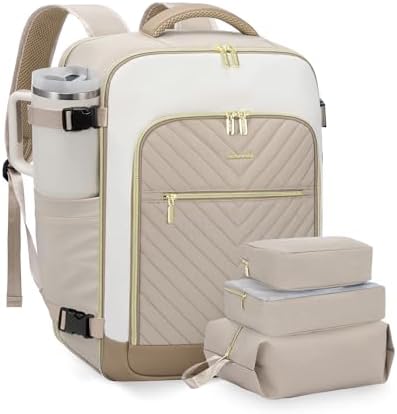
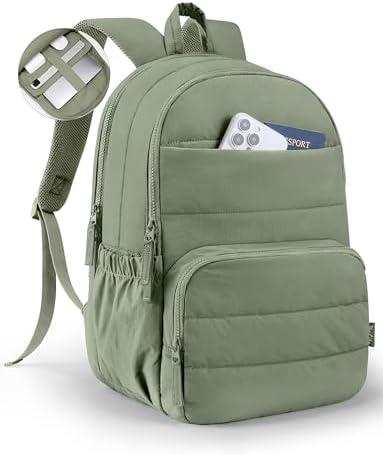
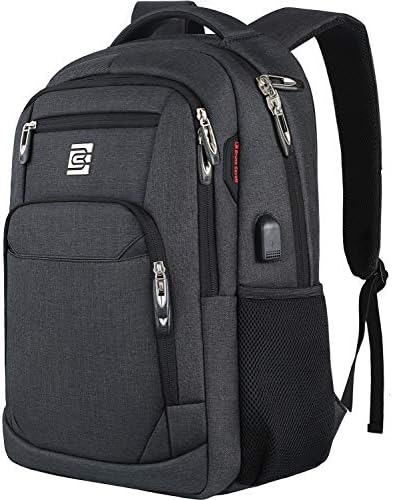
A durable, well-fitted backpack is essential for carrying your gear. Look for options that include multiple compartments for organization and hydration systems that can hold water bottles or hydration bladders. A sufficient volume, typically 40 to 70 liters, allows you to pack carefully for day trips or extended excursions. Additionally, a comfortable fit with adjustable straps will prevent discomfort while navigating through Iceland’s diverse landscapes.
Trekking poles are another highly recommended item. They help maintain stability on uneven terrain and can significantly reduce stress on your joints during long hikes. High-quality trekking poles often feature lightweight materials and ergonomic grips, making them easier to use over extended periods. Moreover, they provide much-needed support while navigating steep or slippery surfaces, common in glacier walking.
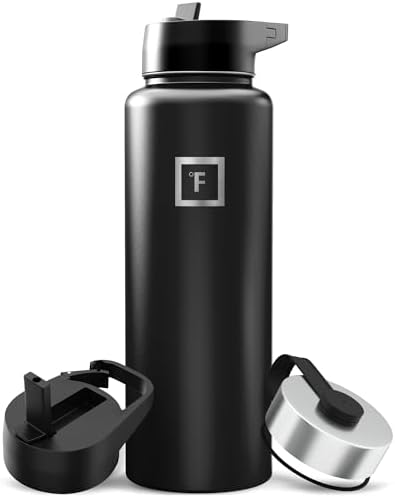
Water bottles are crucial for staying hydrated, especially during outdoor activities that can last several hours. Choose insulated water bottles that can keep your drinks cold or warm, depending on the weather conditions. Collapsible options are also available, which can save space in your backpack when not in use.


In addition to these items, investing in high-quality gear is essential. Reliable equipment enhances your outdoor experience by providing safety and comfort. In a place as breathtaking yet challenging as Iceland, having the right gear can make all the difference in making your adventure enjoyable and memorable.
Accessories That Make a Difference
When preparing for an adventure in Iceland, the importance of accessories cannot be overlooked. These items not only serve practical purposes but also enhance comfort and functionality during your travels. Hats, gloves, scarves, and sunglasses are essential additions that protect your extremities against the harsh conditions often encountered in Icelandic climates.

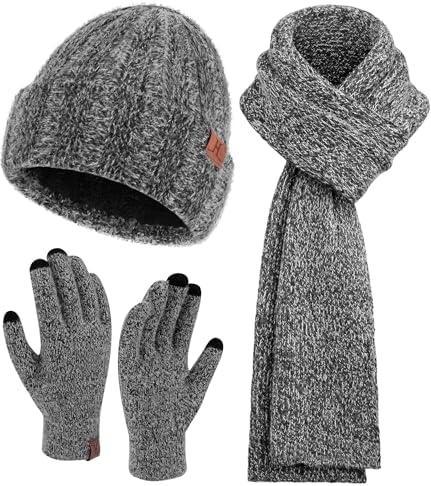

A high-quality hat plays a crucial role in retaining body heat, especially in windy conditions. Choose a hat designed for cold weather, ideally with a lining for added warmth. Beanies made from wool or synthetic materials offer excellent insulation while still being breathable, making them suitable for varying temperature ranges.
Similarly, gloves are a must-have accessory for protecting your hands from cold winds. Look for gloves that provide both warmth and dexterity, allowing you to easily handle cameras, maps, or other gear. Mittens lined with fleece can be particularly effective in keeping hands warm while still allowing for some finger movement. If your adventure involves specific activities like hiking or photography, consider multifunctional gloves that offer additional features such as touch-screen compatibility.
Scarves not only provide warmth but also add an additional layer of protection against frostbite in extreme conditions. A wool or thermal scarf can be wrapped adequately around the neck and face, ensuring that sensitive skin is safeguarded against the elements. Opting for a versatile scarf that can be used in different styles will allow for adaptability according to various weather conditions.
Lastly, sunglasses should not be neglected. Even in cold climates, UV rays can cause eye damage, especially when reflecting off glaciers or snow. Investing in quality sunglasses with UV protection is vital to ensure your eyes remain shielded during outdoor explorations.
Choosing multifunctional accessories will maximize efficiency and reduce the weight of your gear. This thoughtful approach allows travelers to remain prepared and comfortable, ensuring that accessories play a pivotal role in enhancing the overall travel experience in Iceland.
Photography Gear for Capturing Iceland’s Beauty
When embarking on an Icelandic adventure, having the right photography gear is essential for capturing its striking landscapes and unique moments. First and foremost, selecting a quality camera system is crucial. A DSLR or mirrorless camera with interchangeable lenses will provide the flexibility needed for various shooting situations. Lenses with a wide aperture and a broader focal length range are recommended to accommodate the expansive scenery and the proximity of wildlife.


In addition to the camera body, a sturdy tripod is indispensable for long exposure shots, especially when photographing the Northern Lights. The low light conditions necessitate longer exposure times, which a sturdy tripod can help stabilize, resulting in clearer images. Compact and lightweight travel tripods are favorable for easier movement, especially on uneven terrain.
Utilizing filters can also enhance the quality of your images. A polarizing filter can help reduce glare and enhance the colors of the skies and water, making landscapes more vibrant. When it comes to shooting the mesmerizing Northern Lights, a wide-angle lens will allow you to capture more of the sky, while a remote shutter release is advisable to minimize camera shake during long exposures.
The use of drones has gained popularity for landscape photography, offering unique aerial perspectives. Before flying a drone, it is essential to familiarize yourself with Iceland’s drone regulations to ensure you are compliant with local laws, especially in protected areas.
Lastly, packing extra batteries and memory cards is vital, as cold weather can reduce battery life significantly. Taking these essential gear items into account will greatly enhance your photography experience, ensuring you capture the captivating beauty of Iceland responsibly and effectively.
Safety Gear: Staying Secure During Your Trip
Embarking on an adventure in Iceland necessitates careful consideration of safety gear that ensures a secure and worry-free experience. The unique landscapes, characterized by rough terrains and volcanic activity, require travelers to be well-prepared with the right equipment. One essential item is a first aid kit, which should be packed with basic medical supplies such as band-aids, antiseptic wipes, adhesive dressings, and pain relievers. This kit can prove invaluable in case of minor injuries incurred during hikes or exploration.
Additionally, navigation tools are paramount for ensuring you can traverse Iceland’s diverse landscapes safely. A GPS device or a reliable map will assist you in maintaining your bearings, especially in remote areas where cell reception may be unreliable. Familiarize yourself with the terrain and key landmarks, as well as emergency contact numbers and local resources before your journey begins.
Incorporating emergency supplies into your safety arsenal is also wise, given Iceland’s unpredictable weather conditions. A flashlight, whistle, and multi-tool can provide assistance in unforeseen situations. It is crucial to ensure that your gear is lightweight yet durable, allowing for easy transport while enduring the rigors of outdoor activities.
Furthermore, safety considerations in Iceland extend beyond personal safety gear; it’s equally important to stay informed about volcanic activity and geological hazards. The Icelandic Met Office provides updated information on eruptions and activity levels, and travelers should regularly check these resources while planning their trips.
By equipping yourself with essential safety gear and being prepared for Iceland’s unique challenges, you can greatly enhance your adventure experience, allowing you to focus on enjoying the breathtaking scenery and remarkable natural wonders this country has to offer.
Packing Tips: How to Prepare for Your Trip
Packing efficiently for your Iceland adventure requires careful planning and organization. As the weather can be unpredictable, layering is key. Start by selecting base layers made of moisture-wicking materials to keep you dry. Avoid cotton, as it retains moisture. The next layer should provide insulation, such as fleece or wool, while the outer layer should be waterproof and windproof for protection against the elements. When packing these layers, roll them instead of folding to maximize space and minimize wrinkles.
To keep gear accessible during your travels, consider using packing cubes or compression bags. These tools not only help you organize clothing but also make it easier to find essentials without having to rummage through your backpack or suitcase. Utilize pockets and compartments wisely; place items you need during travel, such as travel documents, snacks, or electronics, in easily reachable spots.
Ensure compliance with airline regulations by checking the carry-on policies. For liquids, be mindful of the 3-1-1 rule which typically allows only containers of 3.4 ounces (100 milliliters) or less in a quart-sized clear bag. Moreover, researching if your airline enforces additional restrictions on specific items, especially outdoor gear, can prevent last-minute surprises at the airport.
Lastly, it’s essential to leave a little extra room in your luggage. Iceland offers unique local products and souvenirs that you may want to bring back. From handcrafted items to culinary local treats, having space will allow you to carry new memories safely home. Thoughtful packing can greatly enhance your adventure, making it enjoyable and hassle-free.
Conclusion: Embrace the Icelandic Adventure
As you prepare for your Icelandic journey, it is crucial to recognize the transformative impact that appropriate gear and clothing can have on your experience. The diverse and stunning landscapes of Iceland, from cascading waterfalls and rugged mountains to vast glaciers and geothermal springs, require adventurers to be well-equipped. Investing in high-quality outdoor clothing and specialized gear can enhance not only your comfort but also your enjoyment of these breathtaking natural environments.
Understanding the unique weather patterns of Iceland is pivotal; conditions can change rapidly, often within a single day. Layering your clothing will allow you to adapt to these fluctuations effortlessly, ensuring that you remain warm and dry while exploring the majestic scenery. Waterproof outer layers, insulating mid-layers, and moisture-wicking base layers are essential components of any traveler’s wardrobe. Additionally, the right footwear is imperative for traversing uneven terrain, especially when embarking on hikes or visits to remote areas.
Furthermore, embracing the adventure that comes with exploring Iceland goes beyond just having the right equipment. It involves an open mindset, ready to experience new cultures, breathtaking views, and the raw beauty of nature. Whether you are chasing the Northern Lights or soaking in a natural hot spring, every moment spent in this extraordinary country leaves a lasting impression. Take the opportunity to immerse yourself in everything Iceland has to offer, making memories that will last a lifetime. Ultimately, by being properly equipped, you will not only enhance your own adventure but also foster a deeper appreciation for the unique landscapes and experiences that Iceland presents.